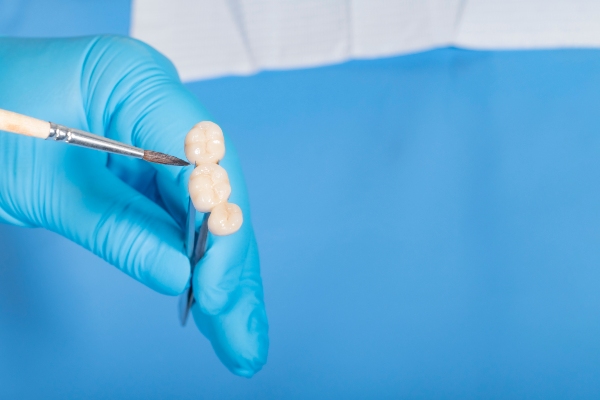
Replacing missing teeth preserves the look and function of the smile, and a dental bridge is one of the most versatile ways to do that. Dental bridges are a popular tooth replacement method for numerous reasons. Here is a closer look at the benefits of this restoration and the process for getting one.
Benefits of a dental bridge
A dental bridge restores the way the smile looks and functions. A key benefit of this tooth replacement is that it is a permanent or fixed restoration that does not need removal for cleaning. It functions similarly to a natural tooth, and there is no worry of slipping out of place, like with dentures. In addition, dental bridges come in various options to suit the needs of a range of patients and tooth loss situations.
Who is a candidate?
A dental bridge is ideal for those who want a fixed solution and are missing up to four teeth in a row. Different styles of bridges have different candidacy requirements. However, a dentist can work with each patient to find the right fit.
The dental bridge process
The typical process of getting a dental bridge takes two appointments. During the initial consultation, the dentist helps the patient determine the style of dental bridge that will best suit their needs. Then, they take an impression of the area receiving the bridge and send it to a lab where it is constructed. The patient typically receives a temporary bridge to wear until the permanent one is ready approximately two weeks later.
How the process varies by type of bridge
Dental bridges come in different styles and can be composed of a variety of materials, including metal, porcelain, and composite resin. The following is a look at how candidacy requirements and the process differ for each bridge style.
Traditional or cantilever bridge
The traditional bridge is the most common bridge style. It comprises two crowns with a false tooth (pontic) in the center. The crowns on either side are cemented over the patient's natural teeth, and the pontic bridges the gap left by the missing tooth.
A cantilever bridge is like a traditional bridge but contains a single crown that attaches to only one natural tooth. This style requires the patient to have healthy natural teeth to support the crowns. In addition, the dentist has to alter the natural teeth significantly to accommodate the crowns.
Maryland bridge
The Maryland bridge also requires healthy teeth on either side of the space to support it. However, because the false tooth is attached to a metal framework bonded to the back of the teeth, this bridge requires minimal alteration to the natural teeth. A dentist typically recommends a Maryland bridge to replace front teeth.
Implant-supported bridge
An implant-supported bridge is like a traditional bridge, but the crowns attach to dental implants instead of the patient's natural teeth. The process of receiving this bridge takes longer because it begins with the surgical placement of the dental implant posts in the jaw. Then, the implant posts must integrate with the jawbone in a process that takes several months. Once this process is complete, the dentist can place the permanent bridge. Patients must have adequate jawbones to support the dental implants.
A versatile solution for replacing missing teeth
Getting a dental bridge is an effective and natural-looking way to restore a smile after tooth loss. Patients have many options regarding tooth replacement. Call our team today to learn more about dental bridges and tooth replacement.
Request an appointment or call Frankford Dental Care at 215-302-1746 for an appointment in our Philadelphia office.
Recent Posts
Choosing a dental bridge can restore a complete smile and make everyday tasks feel easier again. Missing teeth change chewing, speech, and face shape, but a well-planned bridge brings balance back. With the right design and consistent home care, a dental bridge can look natural, feel comfortable, and support long-term oral health.A dental bridge fills…
Your dentist may recommend a dental bridge if your case needs it. Every patient has a different set of needs. Proper assessment allows the dentist to suggest the right dental replacement. Here are the details on when a dental bridge may become your dentist’s recommendation.Dentists often encourage their patients to stop consuming tobacco. Following this…
A healthy, complete smile is not only about looking good but is also important for your overall well-being. Dental bridges can help restore the appearance and function of your teeth. However, common misconceptions about these replacement options can prevent people from understanding their benefits. Let us debunk some common myths about dental bridges.While dental bridges…