 Dental implants provide a long-term solution for individuals who have lost one or more teeth due to injury, decay, or periodontal disease. These implants act as artificial tooth roots, offering stability and durability similar to natural teeth. In recent years, dental implants have become a preferred option for tooth replacement because they preserve the jawbone structure and improve oral health.
The components of a dental implant
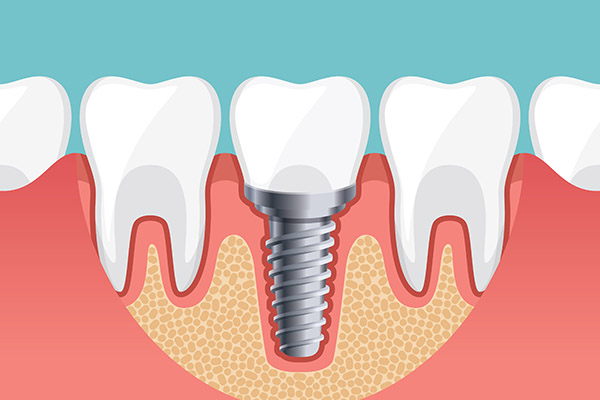
A dental implant consists of three main components: the implant post, the abutment, and the prosthetic tooth. The implant post is a small titanium screw that a general dentist surgically places into the patient's jawbone. Titanium is a biocompatible material, allowing the implant to integrate with the bone tissue in a process known as osseointegration.
After the implant fully fuses with the jawbone, the dentist will connect the abutment to the top of the post. Then, they will place the chosen restoration on the abutment. The three most common restorations are crowns, bridges, and fixed dentures. The restoration chosen will depend on the number of teeth the patient needs to replace, the number of implants placed, and the location of the implant(s).
The pros and cons of dental implants
Pros
Dental implants have many benefits compared to traditional dentures and bridges. One of the main advantages is that they help keep the patient's jawbone healthy and strong, preventing bone loss that usually happens after losing teeth. Unlike dentures, which can move around or be uncomfortable, dental implants stay securely in place.
Dental implants also protect the patient's long-term oral health. They do not depend on nearby teeth for support, so they do not harm those teeth as traditional dental bridges can. Implants are built to last and can remain in good condition for decades with proper care.
Cons
Not everyone is an ideal candidate for dental implants. For example, patients need to have enough healthy bone tissue to support the dental implants. Patients with conditions such as uncontrolled diabetes or active gum disease will likely require additional treatment before undergoing the procedure. Smoking and other tobacco use can also affect healing and the overall success rate of dental implants.
Maintaining dental implants
Dental implants are easy to care for and maintain. Patients can take care of them just as they do their natural teeth. Brushing twice a day and flossing at least once daily can help prevent complications like peri-implantitis. This condition is similar to gum disease, where the gum and bone tissue around the implant becomes inflamed and infected. Peri-implantitis can lead to receding gums, loose implants, and implant failure. Good oral hygiene practices and regular follow-ups with a general dentist can help improve the longevity of dental implants while preserving the patient's long-term oral health.
We are here to answer your questions
Dental implants provide a reliable and effective solution for replacing missing teeth. Frankford Dental Care offers dental implants and other tooth replacement options in the Philadelphia area. Call our office to learn more about our services or to schedule a consultation to find the most effective way to restore your smile.
Request an appointment or call Frankford Dental Care at 215-302-1746 for an appointment in our Philadelphia office.
Recent Posts
Dental implants and dentures are two common options for replacing missing teeth, each offering unique benefits. Understanding their key differences can help patients choose the most suitable solution for their oral health and lifestyle. While both restore the smile's function and appearance, there are significant differences in durability, comfort, and maintenance.One of the biggest differences…
Dental implants provide a durable and natural-looking solution for missing teeth. This popular teeth replacement option can last many years with proper care, improving the function and appearance of your smile. Practices like following a good oral hygiene routine, adopting healthy lifestyle habits, and scheduling regular follow-ups can all help contribute to the overall longevity…
Dental implants are one of the most reliable and lasting solutions for replacing missing teeth. Unlike traditional dentures or bridges, implants integrate with the jawbone to provide a stable foundation for artificial teeth. While many patients benefit from implants, not everyone is an immediate candidate. Certain factors must be evaluated to determine eligibility, and for…