Step-by-step Guide to Dental Crowns: General Dentistry in Philadelphia
Dental crowns serve an important purpose in dentistry. This treatment can help with both cosmetic and oral health challenges. If you think you may need a crown on your tooth, you should speak to a general dentistry professional about your concerns. The procedure usually takes place over a few separate visits. It can be helpful to know what to expect before you go to the dentist, so you are not overwhelmed or overly anxious. After you have this treatment, you can eat and speak without pain or discomfort.
Function and purpose
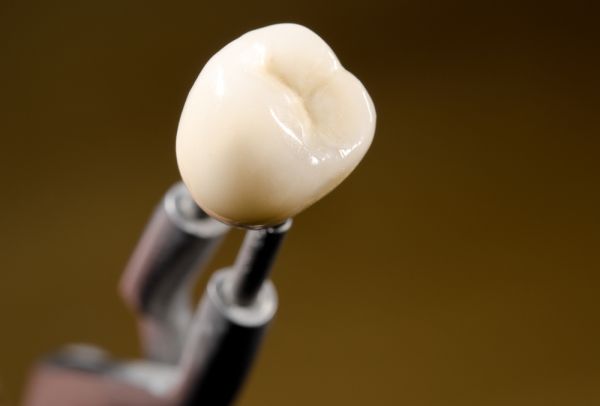
Dental crowns or caps are usually made of porcelain or ceramic. The dentist will use them to protect damaged teeth and preserve a person’s ability to chew food. Often, the dentist will place the cap on the affected tooth after a root canal. Patients who have suffered damage such as a chip, crack or break may have this procedure to restore the tooth and revive their smile. It is also useful to repair cavities that are too large for a filling. A cap is durable, but the dentist will need to replace it after 10 to 15 years.
Determining the right course
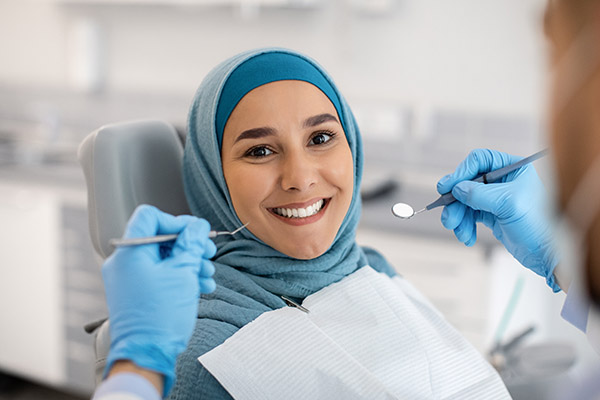
When a patient goes to a dental office complaining of severe toothache or cosmetic damage to a tooth, the dentist will examine the problem and take X-rays. The dentist will decide whether the crowns are the right treatment or whether there is another option that makes more sense. If the patient and dentist agree to get a cap, the dentist will explain the procedure and will schedule a subsequent appointment. This may occur on the same day if the situation is more serious.
Get the tooth ready
The next step is to prepare the tooth to receive the cap. The dentist will numb the patient and shave down the tooth, so the crown can fit properly. If there is any decay or infection in the tooth, the dentist will clean it out and disinfect the area. Impressions will be made and sent to a lab where a technician will custom-make the cap. It will be the same color shade as surrounding teeth. It will take about a week for it to be ready.
Getting the crowns
At the next appointment, the dentist will again numb the patient. The dentist will place the cap on the tooth and test it for fit and appearance. If everything looks good, the dentist will cement it in place. It may take a few days to get used to and the patient may feel some soreness. It is important to brush the area twice a day. The patient should be careful about eating hard and sticky foods.
Now you are ready
Getting a crown does not have to be a scary process. This treatment can relieve irritation and help you eat and speak normally. You can also improve your smile and feel more at ease in social settings. Do not put off this appointment any longer. Contact your dentist today if you have damaged teeth or a severe toothache.
Request an appointment here: https://frankforddentalcare.com or call Frankford Dental Care at (215) 302-1746 for an appointment in our Philadelphia office.
Check out what others are saying about our services on Yelp: Read our Yelp reviews.
Recent Posts
Although a dentist provides services on a patient-by-patient basis, the one thing strongly encouraged for everyone is to have a dental checkup every six months. This schedule is what the industry recommends and for good reasons. While some dentists agree this is sufficient, others feel that under certain circumstances a person should visit a clinic…
A dental implant is widely considered the tooth replacement solution that most closely resembles a natural tooth in durability, functionality, and appearance. However, like natural teeth, dental implants require diligent and consistent care to ensure longevity. Incorporating proper dental implant care into your oral hygiene routine can prevent complications and keep your smile healthy for…
A lot of things people do in life are either taught or habit, including getting a dental checkup. For instance, some individuals go once a year because that is what a parent taught them to do. Others might not see a dentist for several years simply because it has become a bad habit. However, having…
Getting a regular dental checkup is critical for good oral health. But what if there is an issue at the appointment? The good news is the dentist has the right training and tools to fix nearly any problem. Keep reading to learn more.Getting dental checkups regularly allows patients to get the teeth cleaned well. That…