How Long Does a Dental Filling Last?
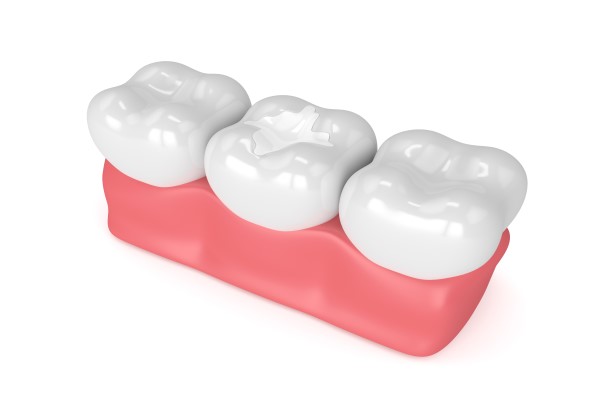
The dental filling undergoes improvements every year, and increases in its longevity are becoming more common. However, despite advances, dental fillings have a limited lifespan, beyond which they begin to deteriorate. As a result, it is essential to be aware of the indicators of filling failure. When your dental filling begins to fail, you should schedule an appointment with your dentist as soon as possible. This article covers everything that you need to know about the lifespan of dental fillings and when to go for replacement.
Silver fillings usually last up to 10 years
While older silver fillings are less popular today due to their appearance, they are robust and long-lasting. Silver amalgam fillings have been used in the United States for more than 150 years and are resistant to deterioration from chewing, making them suitable for molars. Even the toughest materials deteriorate with time, though, and silver fillings can endure constant use for roughly 10 to 15 years. During a routine dental checkup, the dentist will check the tooth to determine when to change the fillings.
White composite fillings can last between seven to 10 years
Since white composite fillings have a shorter usage history than silver amalgam fillings, there is limited information on their durability. According to the Materials journal, most white composite fillings will last around 7-10 years in healthy individuals. However, this estimate is based on earlier types of composite fillings, and major developments in filling manufacture have been achieved over time.
Newer research shows that white composite fillings are catching up to amalgam, with some studies showing that composite fillings may last up to 12 years with proper maintenance. However, further study is needed before dentists can say that composite fillings can survive for more than 10 years on average.
When to replace dental fillings
When silver fillings begin to degrade, they produce apparent signs. The metal can leach out of the filling and into the tooth, causing dental discoloration. Patients may also experience pain or notice that the filling "gives" when pressed. Both are signs that an amalgam filling is deteriorating.
When white composite fillings fail, they usually cause discomfort. A decaying filling may cause sudden sensitivity around a filled tooth in reaction to temperature changes or pressure. When biting down, patients may also experience pressure or throbbing or severe pain that comes and goes. They may suffer persistent toothache if the decaying filling has resulted in pulp irritation. Dark stains, rough tooth surfaces, and cracks on the teeth may also indicate a deteriorating composite filling.
If a filling shifts or falls out, this is a telltale sign that it is time to get a new one. Large cavities are more likely to result in loose or missing fillings because there is less natural tooth structure to hold the filling. In this case, patients should book an appointment with the dentist, even if they are not experiencing pain or discomfort.
In other cases, a dentist may only detect that a filling needs to be replaced during a regular dental visit. An X-ray may detect small fractures or indicators that the filler material is deteriorating. Teeth grinding can cause the fillings to wear out more quickly.
Unless there is an issue, though, most dentists prefer to leave fillings alone, even if they have been in the mouth for much longer than they were supposed to be. Having a filling replaced demands removing more of the tooth's natural structure, along with the old filling. There is also a risk of tooth decay. A root canal or extraction may be necessary if too much filler material is used.
Extending the lifespan of dental fillings
Cleaning and flossing the teeth, particularly those with fillings, at least twice a day is critical to maintaining their health. Also, twice-yearly dental checkups and thorough cleanings ensure that the dentist can notice any issues with the fillings before they become more serious. If necessary, the dentist may recommend dental X-rays to check for deterioration beneath the fillings.
Patients need to avoid teeth grinding or clenching, as this habit may lead to tooth decay. The dentist may also suggest a mouthguard to protect the fillings and healthy teeth and jaws from injury during sports.
In conclusion
If you see any of these signs of failing dental fillings, make an appointment with the general dentist as soon as possible. In certain circumstances, your dentist may suggest further evaluation, while in others, your fillings may need to be fixed or replaced right away. After an examination, a dentist will recommend the best course of treatment. Contact the dental office to arrange an evaluation if you are experiencing signs of a failing dental filling.
Request an appointment here: https://frankforddentalcare.com or call Frankford Dental Care at 2153021746 for an appointment in our Philadelphia office.
Check out what others are saying about our dental services on Yelp: Composite Fillings in Philadelphia, PA.
Recent Posts
Composite fillings are among the most commonly used materials for restoring teeth affected by cavities or minor damage. These dental fillings repair damaged teeth and restore their function and appearance. While there are several types of fillings besides composite ones, patients may be unsure which one is right for them. Fortunately, a dentist can help.Composite…
The general dentist often uses a dental filling as a restoration procedure for teeth damaged due to decay. Unless the tooth is severely damaged and needs a root canal and a crown, only the tooth filling will be enough. It is better to visit the dentist regularly for checkups, so decay not get too severe.The…
Dental professionals aim to preserve the natural tooth structure. Composite fillings, crowns, inlays, and onlays are popular and effective solutions for restoring the function and protection of damaged or decayed teeth while preserving a natural look. Knowing each option's role in preservation can help patients understand the dentist's thought process when curating a treatment plan.Preserving…
Composite fillings are a common restorative material used to repair damaged teeth and restore their function and appearance. Patients frequently inquire about their lifespan and proper maintenance. Understanding how long these restorations can last and the steps necessary to care for them is essential for maintaining oral health and ensuring these fillings remain effective.Composite fillings…