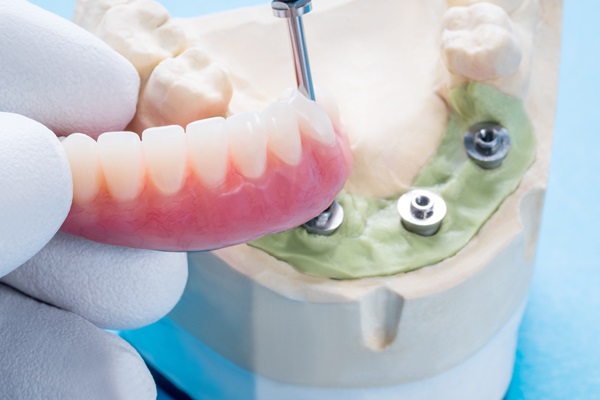
 Dental implants are a long-term solution for missing teeth, providing durability, functionality, and a natural appearance. While they offer many benefits, proper care is essential to ensure long-term success. After undergoing the implant procedure, patients should be aware of key recovery steps and maintenance guidelines to protect their investment.
1. Healing takes time
The healing process after dental implants involves several stages. Initially, mild swelling, discomfort, and minor bleeding may occur, but these symptoms typically subside within a few days. The most critical part of healing is osseointegration, where the implant fuses with the jawbone. This process can take several months, depending on individual healing rates and overall oral health. During this period, avoiding unnecessary pressure on the implant site is essential for a successful outcome. If the patient has any questions or concerns during this time, they can contact the dentist's office.
2. Oral hygiene is essential
Although dental implants are not susceptible to cavities, the surrounding gum tissue and bone must remain healthy. Patients should follow these hygiene practices:
- Brush twice daily using a soft-bristled toothbrush and non-abrasive toothpaste
- Floss carefully around the implant to remove plaque buildup
- Use an antimicrobial mouth rinse as recommended by a dentist
- Schedule regular dental check-ups to monitor implant stability and gum health
Maintaining good oral hygiene is crucial to prevent infection and support healing.
3. Diet adjustments may be necessary
A soft food diet is recommended for the first few weeks after implant placement to minimize strain on the implant site. Hard, crunchy, or sticky foods should be avoided to prevent irritation or displacement of the implant. Foods such as yogurt, scrambled eggs, mashed potatoes, and smoothies provide essential nutrients while being gentle on the healing area. As the implant integrates with the bone, normal eating habits can gradually resume.
4. Avoid harmful habits
Certain habits can compromise the success of dental implants and should be avoided. Smoking and tobacco use can slow healing and increase the risk of implant failure. Additionally, chewing on ice, hard candies, or non-food objects can place excessive force on the implant, leading to potential damage. Patients who grind their teeth at night may benefit from a custom nightguard to protect natural teeth and implants from excessive wear.
5. Regular dental visits are important
Routine dental visits allow the dentist to monitor the implant, surrounding gum tissue, and overall oral health. Professional cleanings help remove plaque buildup in hard-to-reach areas, reducing the risk of complications. If any discomfort, swelling, or looseness around the implant occurs, seeking prompt dental care can prevent further issues and ensure long-term stability.
By following these guidelines, patients can maximize the longevity of their dental implants and enjoy the benefits of a restored, confident smile. Proper care, lifestyle adjustments, and regular dental check-ups all contribute to the success of this long-term tooth replacement solution. For more information or to ask questions regarding the dental implant process, schedule a consultation at Frankford Dental Care.
Request an appointment or call Frankford Dental Care at 215-302-1746 for an appointment in our Philadelphia office.
Recent Posts
Dental implants often beat out other tooth replacements due to their natural appearance and durability. Although getting them can be a lengthy process, many patients find it a worthwhile one. Proper preparation can contribute to a smooth experience and optimal results. Understanding each phase of the process, making necessary lifestyle adjustments, and following professional recommendations…
Tooth loss affects many people, but dental implants provide a reliable and lasting solution. Unlike other options, implants replace missing teeth in a way that looks and feels natural. They improve oral health, restore function, and enhance appearance. Understanding why implants are the preferred choice can help you make the best decision for your smile.Designed…
Dental implants can prevent tooth loss from affecting oral health, facial structure, and overall quality of life. While tooth replacements like traditional dentures and dental bridges provide functional and aesthetic improvements, implants offer superior advantages in durability, jawbone preservation, and smile aesthetics. Understanding these benefits can reveal whether dental implants are your best option for…