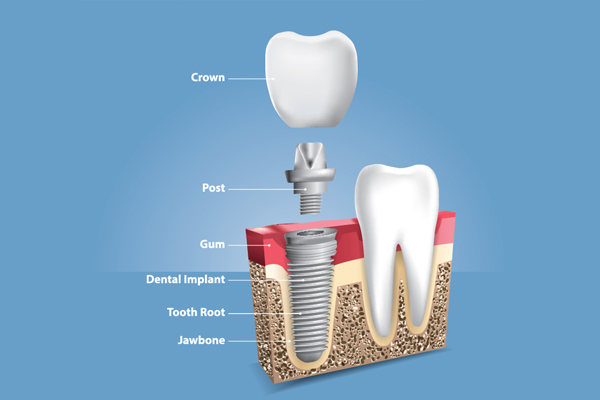
 Dental implants provide a durable and natural-looking solution for missing teeth. This popular teeth replacement option can last many years with proper care, improving the function and appearance of your smile. Practices like following a good oral hygiene routine, adopting healthy lifestyle habits, and scheduling regular follow-ups can all help contribute to the overall longevity of your dental implants.
Practice good oral hygiene
A consistent oral hygiene routine is one of the most effective ways to ensure the longevity of dental implants. Brushing at least twice daily with a soft-bristled toothbrush helps prevent plaque buildup around the implant site and surrounding gum tissue. Using non-abrasive toothpaste protects the implant's surface from damage. Additionally, flossing daily with implant-safe floss or a water flosser can help remove food particles and bacteria from hard-to-reach areas, such as the back molars. An antimicrobial mouthwash can further reduce the risk of infection and gum disease while removing any remaining toothpaste residue and food debris from the patient's mouth.
Schedule regular dental visits
Routine dental checkups allow dental professionals to monitor the condition of the patient's dental implants and detect potential issues early. During professional cleanings, the dentist will remove plaque and tartar that may accumulate around the implants and surrounding soft tissues. The dentist will also assess the gum tissue and bone health to ensure the implants remain secure with no complications. Patients should make regular visits, typically every six months, to help maintain their overall oral health and extend the longevity of dental implants.
Avoid harmful habits
Some poor lifestyle habits can jeopardize the integrity of dental implants. These habits include:
- Poor oral hygiene
- Brushing or flossing too aggressively
- Consuming too many sugary or acidic foods
- Chewing on hard objects like ice or fingernails
- Using teeth as tools
- Teeth grinding or clenching (bruxism)
Smoking and excessive alcohol consumption can also negatively affect healing and long-term implant stability. Smoking and other tobacco use, in particular, can significantly increase the risk of complications like implant failure, gum disease, and delayed recovery. If patients cannot fully quit smoking, they should avoid smoking for at least six months after they undergo dental implant placement.
Consume a balanced diet
A nutrient-rich diet supports oral health and strengthens the gum and bone tissues that support dental implants. Calcium-rich foods, such as dairy products, leafy greens, and almonds, promote bone health. Additionally, vitamin C helps repair gum tissue and prevent infections. Limiting sugary foods and acidic beverages reduces the risk of bacterial growth and implant complications.
Protect dental implants during physical activities
Engaging in contact sports or activities with a risk of facial injury necessitates protective measures for dental implants. A custom-fitted mouthguard provides essential protection against impact-related damage. Wearing appropriate safety gear minimizes the likelihood of trauma that could compromise implant stability.
Be aware of any complications or changes
While dental implants have an average success rate of 90-95%, there are complications that patients should be aware of. These include:
- Loose or unstable implant
- Inflammation around the implant site
- Gum recession around the implant
- Fracture due to trauma or excessive force
- Damage to the surrounding teeth
- Bone loss around the implant
These changes often indicate an underlying issue and require immediate professional evaluation. Early intervention can prevent minor concerns from escalating into serious complications.
Dental implants can last a lifetime
Dental implants are a durable and long-lasting tooth replacement option. With the right care and maintenance, you can ensure they last a lifetime. Call our Philadelphia office to learn more or to schedule an appointment.
Request an appointment or call Frankford Dental Care at 215-302-1746 for an appointment in our Philadelphia office.
Recent Posts
A dental implant is widely considered the tooth replacement solution that most closely resembles a natural tooth in durability, functionality, and appearance. However, like natural teeth, dental implants require diligent and consistent care to ensure longevity. Incorporating proper dental implant care into your oral hygiene routine can prevent complications and keep your smile healthy for…
Dental implants provide a durable and long-lasting solution for missing teeth, but like natural teeth, they can be damaged under certain circumstances. Trauma, excessive pressure, or complications with the surrounding structures may compromise the integrity of an implant. Understanding what to do in the event of damage can help prevent further issues and protect oral…
Selecting an effective way to replace missing teeth can be a significant decision, and dental implants often offer a dependable solution that restores both function and appearance. These specialized fixtures fuse with the jawbone to form a solid foundation for replacement teeth. However, it is important to note that not everyone automatically qualifies for this…