 Dental implants are an innovative solution for replacing missing or damaged teeth, offering a long-term restoration that blends seamlessly with natural tooth structure. These implants rely on integration with the jawbone for stability and functionality. After receiving a dental implant, dentists recommend certain steps to support a comfortable and successful recovery.
Immediately following dental implant surgery
During the first 24 hours, avoid strenuous activity to prevent excessive bleeding or unnecessary pressure on the surgical site. Dentists strongly encourage rest during this time, allowing the body to focus on healing. Additionally, they will likely prescribe medication to effectively mitigate pain or discomfort. However, it is important to try not to rely on these medications in the following days, so the dentist may recommend mixing holistic methods, such as using an ice pack intermittently, which also helps reduce swelling.
Keep the dental implant site clean
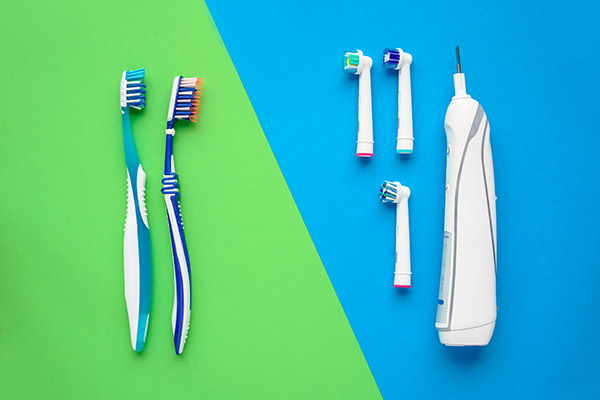
Maintaining oral hygiene is critical for preventing infection and speeding up recovery. The dentist will recommend a gentle oral rinse to clean the mouth without disturbing the healing tissue. While the rinse may be gentle, avoiding vigorous swishing or spitting is important since it can dislodge blood clots and delay healing. Lastly, brushing carefully around the surgical site with a soft-bristled toothbrush is advisable, but do not apply unnecessary force.
Adopt a soft and balanced diet
Adopting a soft diet during the early healing phase helps protect the dental implant from unnecessary pressure or trauma. This diet includes foods such as mashed vegetables, soups, yogurt, and scrambled eggs, which are gentle on the surgical site. Further, patients should chew their food on the opposite side of the mouth whenever possible. If there are implants on both sides of the mouth, the soft diet becomes crucial, and the dentist may also suggest a liquid diet, depending on the number of implants present. As the dental implant integrates with the jawbone and swelling subsides, patients may gradually introduce firmer foods with the dentist's help.
Avoid tobacco and alcohol
Smoking and excessive alcohol consumption can significantly slow healing and increase the risk of complications, making them important habits to avoid after a dental implant procedure. Tobacco products, including vape pens, restrict blood flow to the surgical site, raising the chance of infection and hindering recovery.
According to the National Institute of Alcohol Abuse and Alcoholism, mixing alcohol and prescription medication can lead to dangerous reactions. Common side effects include nausea, vomiting, headaches, fainting, and much more. When adding these things together on top of the fact that alcohol slows healing, it is best to avoid it at all costs until the dentist permits reincorporating the substance into one's lifestyle.
Maintain follow-up appointments
While caring for the dental implant site independently is vital for treatment success, maintaining follow-up appointments is equally as crucial. Consistent check-ups with the dentist ensure the implant bonds properly with the jawbone and there are no signs of implant rejection. During these appointments, the dentist can assess the implant's stability, monitor gum health, and confirm that bone tissue integrates well. If persistent pain, swelling, or bite misalignment occurs, schedule an immediate evaluation to address potential issues early.
Call us for more information
A successful outcome following a dental implant procedure depends on careful post-operative care and consistent oral hygiene. By following the guidelines above, patients can enjoy all the benefits that the restorations offer for many years to come. If you have more questions about improving your recovery, contact Frankford Dental Care today.
Request an appointment or call Frankford Dental Care at 215-302-1746 for an appointment in our Philadelphia office.
Recent Posts
A dental implant is widely considered the tooth replacement solution that most closely resembles a natural tooth in durability, functionality, and appearance. However, like natural teeth, dental implants require diligent and consistent care to ensure longevity. Incorporating proper dental implant care into your oral hygiene routine can prevent complications and keep your smile healthy for…
Dental implants provide a durable and long-lasting solution for missing teeth, but like natural teeth, they can be damaged under certain circumstances. Trauma, excessive pressure, or complications with the surrounding structures may compromise the integrity of an implant. Understanding what to do in the event of damage can help prevent further issues and protect oral…
Selecting an effective way to replace missing teeth can be a significant decision, and dental implants often offer a dependable solution that restores both function and appearance. These specialized fixtures fuse with the jawbone to form a solid foundation for replacement teeth. However, it is important to note that not everyone automatically qualifies for this…