What to Expect During Invisalign Teeth Straightening Therapy
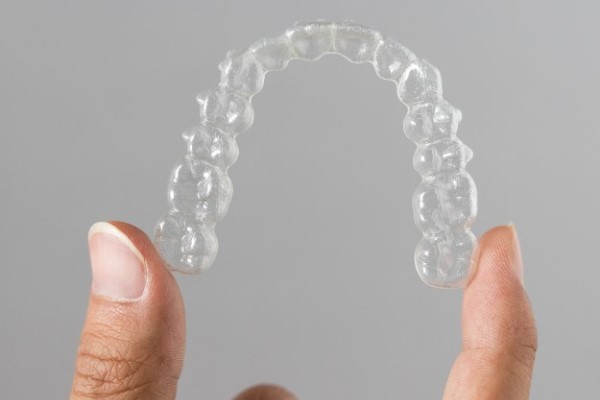
Invisalign® is a state-of-the-art teeth-straightening system. It makes teeth alignment easier and more discreet. Most people prefer the convenience of Invisalign. The effectiveness of the system depends on the dedication of the patient. The role of the dentist is to check how the patient’s teeth are improving and provide dental cleaning. If you want to find out what to expect from your upcoming Invisalign therapy, here are the details.
Finding the right dentist
Part of a successful Invisalign treatment experience depends on the dentist. The patient must find an Invisalign-trained dentist. Many dental professionals have this type of qualification. Starting the search online would be practical. Asking close family and friends who had Invisalign treatments before is also a good way to narrow down the list of potential dentists. The right dentist will help the patient go through the teeth-straightening treatment with more focus and motivation.
The first consultation
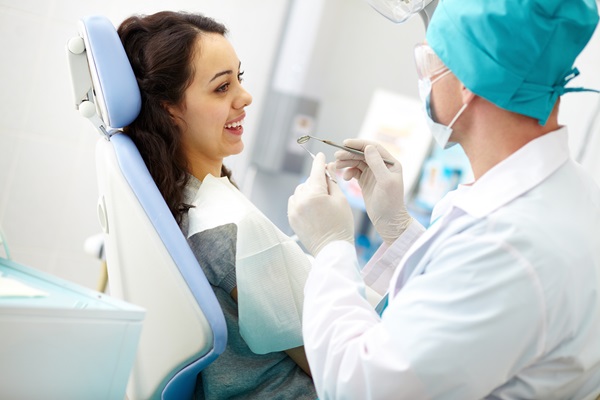
The patient must attend the initial consultation. This will allow the patient to know the dentist better. The first consultation involves a thorough examination of the patient’s teeth. The dentist will ask about the patient’s goals.
Digital photos and X-rays of the teeth and gums will give a better understanding of the patient’s dental status. A visual examination will check for tooth decay or periodontitis. The data will help confirm if the patient is a viable candidate for Invisalign. If Invisalign can help the patient’s case, then the dentist will discuss how the system works.
Taking dental impressions
The dentist will use a digital scanner to confirm the dimensions of the patient’s gums and teeth. This involves using a tiny camera that fits into the patient’s mouth. Digital scanning is painless and quick. It does not use plaster, which is a material that tends to put off patients. The dentist will upload the photos to the computer. Then, the software will generate a 3D image of the patient’s mouth.
The software will also generate a projection of what the patient’s teeth will look like by the end of the Invisalign therapy. These digital scans will be the basis of the treatment plan. The lab will receive the scans. Once the custom-fit aligner trays are complete, the lab will send them back to the dentist.
Fitting the initial tray
The patient will return to the clinic when the aligners arrive. Fitting the aligners may involve placing buttons to help with the tooth movement and keep the aligners in their proper place. Upon removal, the buttons will leave circular marks on teeth to help guide the Invisalign aligners. Applying the buttons is painless. The first tray will ensure the proper fit.
Getting new trays and setting follow-ups
Weeks later, the dentist will check the fit of the patient’s aligners. Dental visits often occur every four to six weeks. This enables the dentist to check the patient’s progress. The patient must swap the old aligner tray for a new set every week or every two weeks. Swapping new trays on time will ensure the success of the Invisalign treatment.
Invisalign can help you achieve optimal oral health
An effective teeth-straightening system can provide you with better oral health. It removes the unreachable corners. With Invisalign, you can expect to see results soon. An appointment with your dentist will determine if you qualify for the Invisalign teeth-straightening system.
Are you considering getting Invisalign in the Philadelphia area? Get more information at https://frankforddentalcare.com.
Check out what others are saying about our dental services on Yelp: Invisalign in Philadelphia, PA.
Recent Posts
Invisalign® offers a modern alternative to traditional braces, providing an effective solution for straightening teeth with fewer visible signs of treatment. With both Invisalign and braces available as options for orthodontic care, it can be difficult to determine which is best for you. While traditional braces are a tried-and-true solution, Invisalign presents a more discreet…
In need of teeth straightening treatment? This is one of the most common things that general dentists offer, as it helps to improve oral health and appearance, all while boosting one's confidence and self-esteem. One popular option is Invisalign®, which are clear aligner pieces that cover the top, bottom, or both arches in the oral cavity.…
If you have opted for Invisalign®, you have taken the first step toward achieving a straighter, healthy smile. With the focus on getting straighter teeth, many people ignore the benefits of the treatment on the gums. Continue reading to learn more about how Invisalign affects the gums.Invisalign is a pair of transparent aligners for patients…
Are you considering Invisalign® as an option for straightening your teeth? This popular teeth straightening method, also known as clear aligners, is becoming increasingly popular thanks to its convenience and comfort. In this blog post, we will discuss the advantages and disadvantages of clear aligners and how to decide if it is the right teeth-straightening…