Tips for Sterilization and Disinfection, From Our Practice to Your Home

Sterilization and disinfection involve killing bacteria and other microorganisms to reduce the risk of developing an infection or illness and increase oral hygiene. Dental practices work hard to keep their office clean and germ free. This is particularly important during the COVID-19 outbreak, which has affected every state in the country.
At-home oral hygiene tips for disinfection
There are certain oral hygiene tips that individuals can implement in their routine to kill bacteria and reduce the risk of developing an oral health concern or general illness. The following are four methods of oral hygiene to keep your mouth clean during the COVID-19 outbreak.
Rinse your toothbrush thoroughly
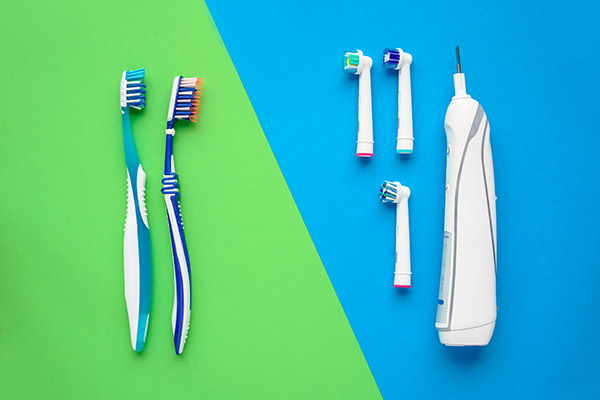
Bacteria naturally develop inside the mouth. When we brush, it removes most of the bacteria. However, if the toothbrush has bacteria on it, then it will not be as effective. To prevent this from being the case, it is essential to rinse the toothbrush thoroughly after each use. Be sure to use warm water, as it can remove bacteria, food particles and other contaminants and reduce the risk of developing an oral hygiene concern.
Store your toothbrush properly
Not only is it important to rinse the toothbrush after each use, but it is important to also store it properly to keep it free from bacteria. When storing it, it is important to place the toothbrush upright in a toothbrush holder, rather than laying it on the side in a cabinet or on the edge of the sink. Also, be sure that the toothbrush is not touching anything else, and do not share it with others. This ensures that the toothbrush does not pick up any germs each time you finish using it.
Use a cup to rinse your mouth out
Many who rinse their mouth out after they finish brushing use their hands, but it is best to use a cup to prevent germs from going from your hands into your mouth. With that said, many dentists believe it is best to not rinse after brushing, so the fluoride in the toothpaste has more time to work. If you do choose to rinse, however, using a cup instead of your hand to rinse your mouth is a great way to keep your mouth free from bacteria during the COVID-19 outbreak.
Use mouthwash regularly
The primary purpose of mouthwash as a part of an oral hygiene routine is to wash away bacteria inside the mouth. This is perhaps more important during a pandemic, though it is important to always use mouthwash as directed by your dentist. Brushing does not always reach all areas of teeth, such as in the back of the mouth and in between teeth, and mouthwash is a great way to remove remaining bacteria and food particles.
Find out more about oral hygiene today
Reach out to our dental team today to learn more about oral hygiene tips for sterilization and disinfection during the COVID-19 outbreak. We are happy to answer any questions you may have and provide more insights about good oral hygiene.
Are you considering oral hygiene in the Philadelphia area? Get more information at https://frankforddentalcare.com.
Check out what others are saying about our services on Yelp: Read our Yelp reviews.
Recent Posts
The next time you go in for a dental checkup, talk to your dentist specifically about brushing. As a child, your parents probably taught you to brush your teeth after every meal. However, they might not have shared much information as to why. After talking to your dentist, you will gain some invaluable insight. By…
Going to the general dentistry office may not excite you, but you can reap the benefits. Putting off dental appointments can disrupt good oral health habits and lead to serious problems. The next time you come to see your dentist, you will have a dental cleaning. This is much more than a formality. General dentistry…
Dental checkups are a common way of preventing gum disease and cavities. Not every visit is the same, but knowing what to expect can help you better understand the process. Your dentist will go over your medical history during the appointment. That way, the dentist can think about family conditions that might affect your oral…
Some people genuinely fear getting a dental checkup. Yet, not only is seeing a dentist essential to maintaining healthy teeth and gums, but it is also a process that is not scary at all. Dental professionals recommend a checkup every six months. That way, you can prevent a simple problem from becoming a serious issue.…